

Work–life balance is often described as a “nice to have.” In practice, it is a reliability issue. When people are rested, they think clearly. They communicate better. They make fewer avoidable mistakes. Over time, that becomes a real business advantage.
Managers influence this more than they realize. Not through speeches, but through daily signals. What gets rewarded. What gets escalated. What gets planned, and what gets dumped into evenings “just this once.” Those patterns become culture.
The habits below help you protect time without lowering standards. They also reduce the need for heroics. That matters, because heroics rarely scale.
Set a clear example with boundaries
People watch what you do more than what you say. If you work late, use schedule-send. Let your message arrive during business hours. If you need something urgently, state that clearly.
Pay attention to what you praise. If you reward “saving the day” every week, you are rewarding a broken system. Recognize clean planning, early risk calls, and good handoffs. Those are the habits that reduce late work.
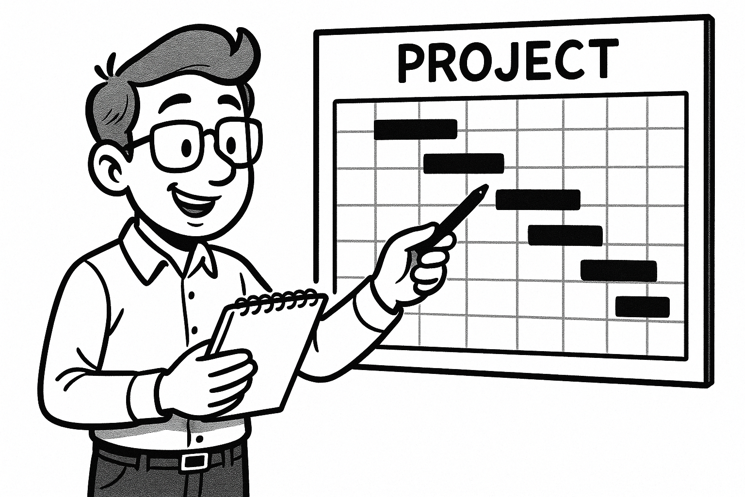
Plan work like capacity is real
Overload often starts with good intentions. You want to support stakeholders. You want to move quickly. Then the team carries too much at once, and evenings become the only place left to finish.
A useful discipline is to plan with an honest view of time. Not ideal time. Real time. Include review cycles. Include testing. Include support requests and interruptions. Those are not exceptions. They are normal.
Keep priorities visible. A short list that the team can see helps more than long project plans that no one reads. It also prevents quiet “priority inflation,” where everything is treated as urgent.
Reduce mid-week priority swings
Constant switching is exhausting. It also slows output. People lose context, restart work, and miss details. Then they stay late to recover time that was lost to churn.
Weekly planning helps. Protect that focus unless something truly urgent appears. When new requests come in mid-week, triage them. Some can wait. Some can be scheduled. A small number may be urgent.
If something is urgent, replace an existing task with the new work. Otherwise you create a silent rule: new work always stacks on top of old work. That rule leads to overtime.
Make escalation calm and predictable
Late nights often come from surprises. A customer issue arrives with no owner. A system breaks and everyone jumps in. A “quick question” becomes a two-hour fire drill. Predictable escalation reduces this.
Start by defining what counts as urgent. Keep the definition narrow. Urgent should mean real impact, not discomfort. It helps to write a short rule that fits in one sentence.
Then design the path. Who is first to respond? Who supports? Who communicates updates? If coverage is needed, rotate it. The same people should not carry the burden every time.
Delegate decisions, not just work
Many teams work late because decisions are delayed. A task is done, but it cannot move forward. It waits for a manager’s approval. Then it gets approved at the end of the day, and the team scrambles to finish.
Push decision-making closer to the work. Give people ownership areas, and the authority to decide within clear guardrails. Guardrails matter. Without them, delegation feels risky. With them, it becomes predictable.
Guardrails can be simple. A checklist. A few examples of good outcomes. A budget limit.
Cut meeting noise and protect focus time
When calendars fill up, work does not disappear. It moves into evenings. That is one of the most common paths to burnout, and it is easy to miss because meetings look like work.
Review recurring meetings regularly. Remove meetings that do not lead to decisions, shorten the others. A 30-minute meeting forces preparation so it often works better than an hour-long meeting.
Use written updates for status where possible. Status meetings are often repetitive.
Treat recovery as part of the plan
Recovery is not only “time off.” It is also lower-intensity time that allows people to regain control. Without it, teams stay in sprint mode for months, and that drains quality.
Encourage people to plan PTO early. Then build coverage so vacations are real. A vacation with constant messages is not recovery. It also sends the wrong signal to others.
After major pushes, schedule a lighter period. Use it to write documentation and tests. These tasks often get pushed aside, then they create problems later. A planned light week prevents that.
Manage stakeholder urgency with clear trade-offs
A lot of overtime is created outside the team. Stakeholders ask for speed. They want certainty. They may not see the cost. Your job is to translate requests into trade-offs.
When someone asks for a faster deadline, respond with options. Reduce scope. Deliver in phases. Move the date. Increase support. These are real levers. “Just work harder” is not a lever. It is a short-term loan with high interest.
Conclusion
Work–life balance improves when work is designed to fit human limits. That does not reduce performance. It protects it. Set the example with boundaries. Plan with real capacity. Keep priorities stable. Make escalation predictable.
Over time, these habits create a team that delivers steadily. Not just in one intense quarter, but year after year.